
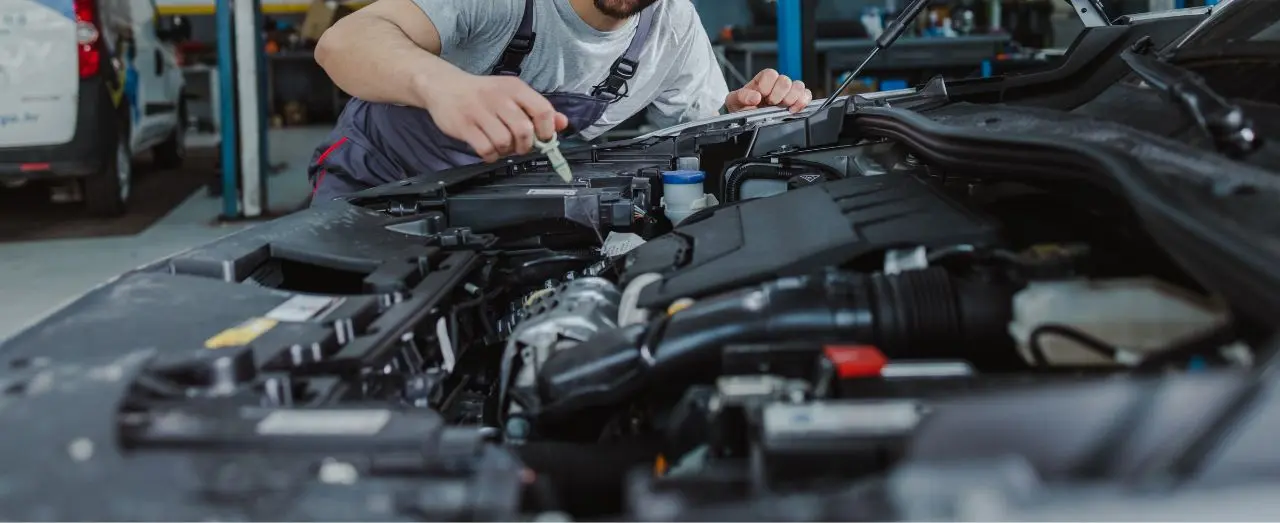

Germany is known as the engineering powerhouse of the world, with a legacy of innovation in automotive, mechanical, civil, and industrial technologies. For students aspiring to build a career in engineering, Germany offers globally recognized programs, cutting-edge research, and outstanding career opportunities.
Why Study Engineering in Germany?
- Global Reputation: German engineering degrees are valued worldwide.
- Low or No Tuition Fees: Public universities charge only minimal semester contributions.
- Practical Learning: Strong emphasis on research and industry partnerships.
- Job Opportunities: Germany has one of the highest demands for engineers in Europe.
- Innovative Environment: Hub for automotive, renewable energy, robotics, and AI.
Top Universities & Colleges in Germany for Engineering
- Technical University of Munich (TUM) – Ranked among the world’s top engineering schools.
- RWTH Aachen University – Known for mechanical and electrical engineering excellence.
- Karlsruhe Institute of Technology (KIT) – Leading in computer science and energy.
- Technical University of Berlin (TU Berlin) – Strong in civil and industrial engineering.
- University of Stuttgart – Specializes in automotive and aerospace engineering.
Tuition Fees
- Public Universities: €250 – €600 per semester (administrative & student union fees).
- Private Universities: €6,000 – €15,000 per year.
Cost of Living in Germany
On average, students spend €850 – €1,100 per month:
- Rent: €300 – €600
- Food: €200 – €300
- Transportation: €50 – €100 (semester tickets available)
- Miscellaneous expenses: €100 – €200
Scholarships & Funding Opportunities
- DAAD Scholarships – Covers tuition and living expenses.
- Erasmus+ – For EU and international students.
- Deutschlandstipendium – €300/month for talented students.
- University-specific merit-based and need-based scholarships.
Career Opportunities & Salary Outlook
Germany has a thriving job market for engineers, especially in:
- Automotive Engineering
- Mechanical & Industrial Engineering
- Electrical & Electronics Engineering
- Civil & Structural Engineering
- Aerospace Engineering
- Renewable Energy
💼 Average Salary: €50,000 – €70,000 per year for fresh graduates; experienced professionals can earn €80,000 – €100,000+.
Entry Requirements Checklist
- Completed secondary education with strong grades in Maths & Science.
- For Master’s: Bachelor’s degree in engineering or related field.
- English proficiency test (IELTS/TOEFL) or German proficiency (TestDaF/DSH).
- Statement of Purpose (SOP) & Letters of Recommendation (LORs).
- Valid passport & student visa application.
Final Thoughts
Germany is one of the best destinations to study engineering abroad, offering affordable education, globally respected degrees, and unmatched career prospects. With its world-class universities and booming engineering sector, it’s the ideal choice for students ready to shape the future of technology and innovation.